
Why Only 100% Merino Wool
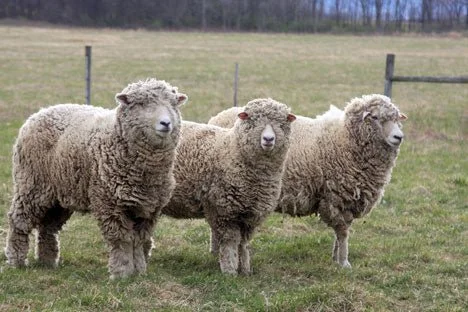
Merino Ewes
The Merino sheep are strong and hardy animals best known for their superior and highly prized wool. They are found all over the world and have adapted well to almost all climates.
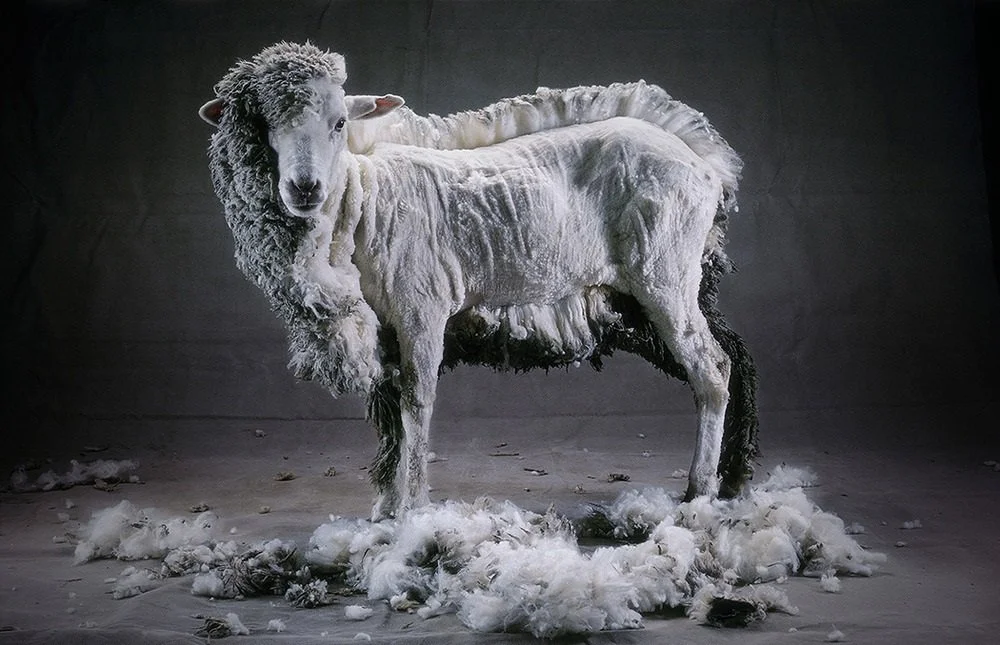
Merino Ewes
Merinos need to be sheared at least once a year because their wool does not stop growing. If allowed to grow, it can cause heat stress, mobility issues, and blindness.
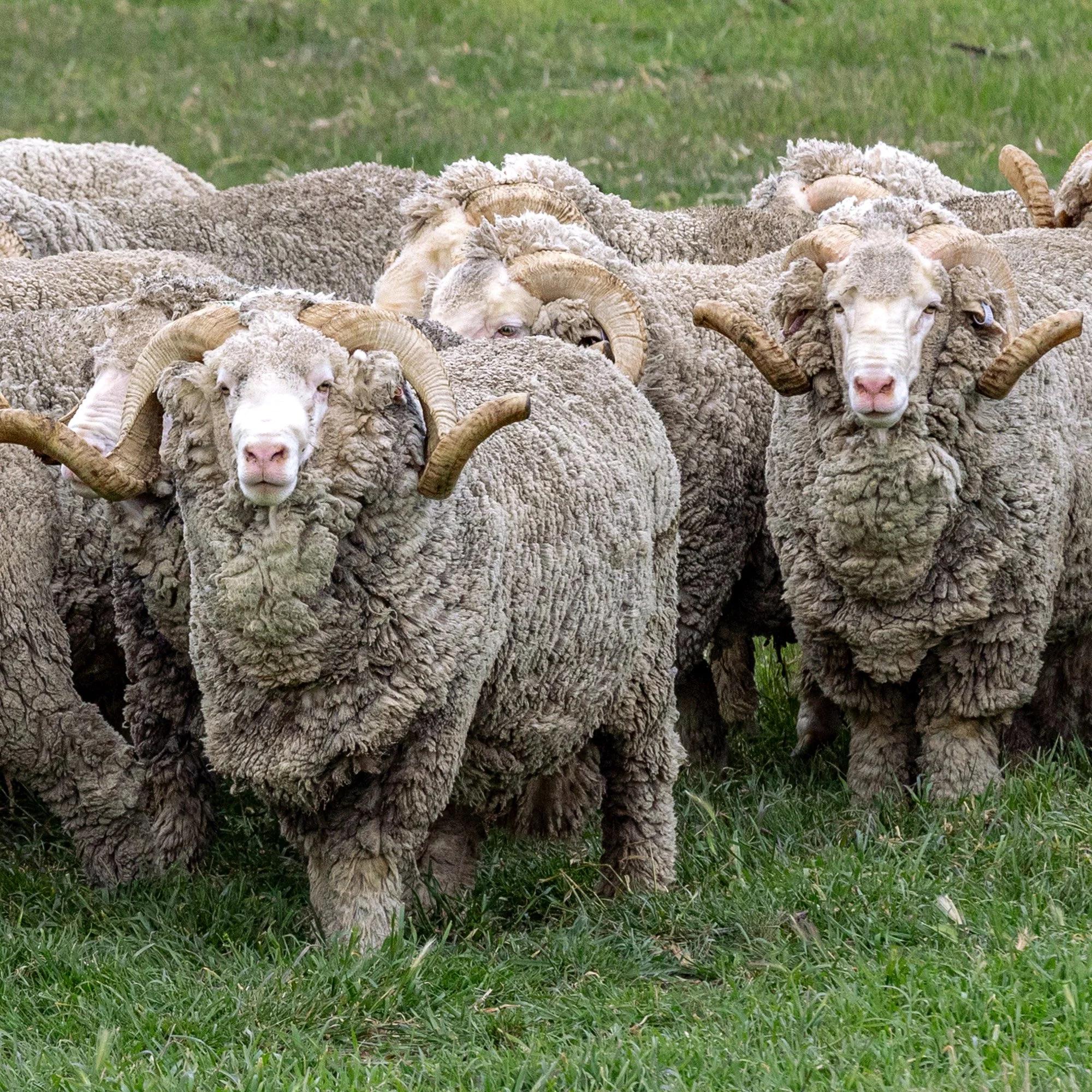
Merino Rams
As far as sheep go, Merinos are medium in size: Ewes (Female), 125-180 lbs.; Rams (Male), 175-235 lbs. Typically, one Merino sheep grows 7 - 10 pounds of wool per year.
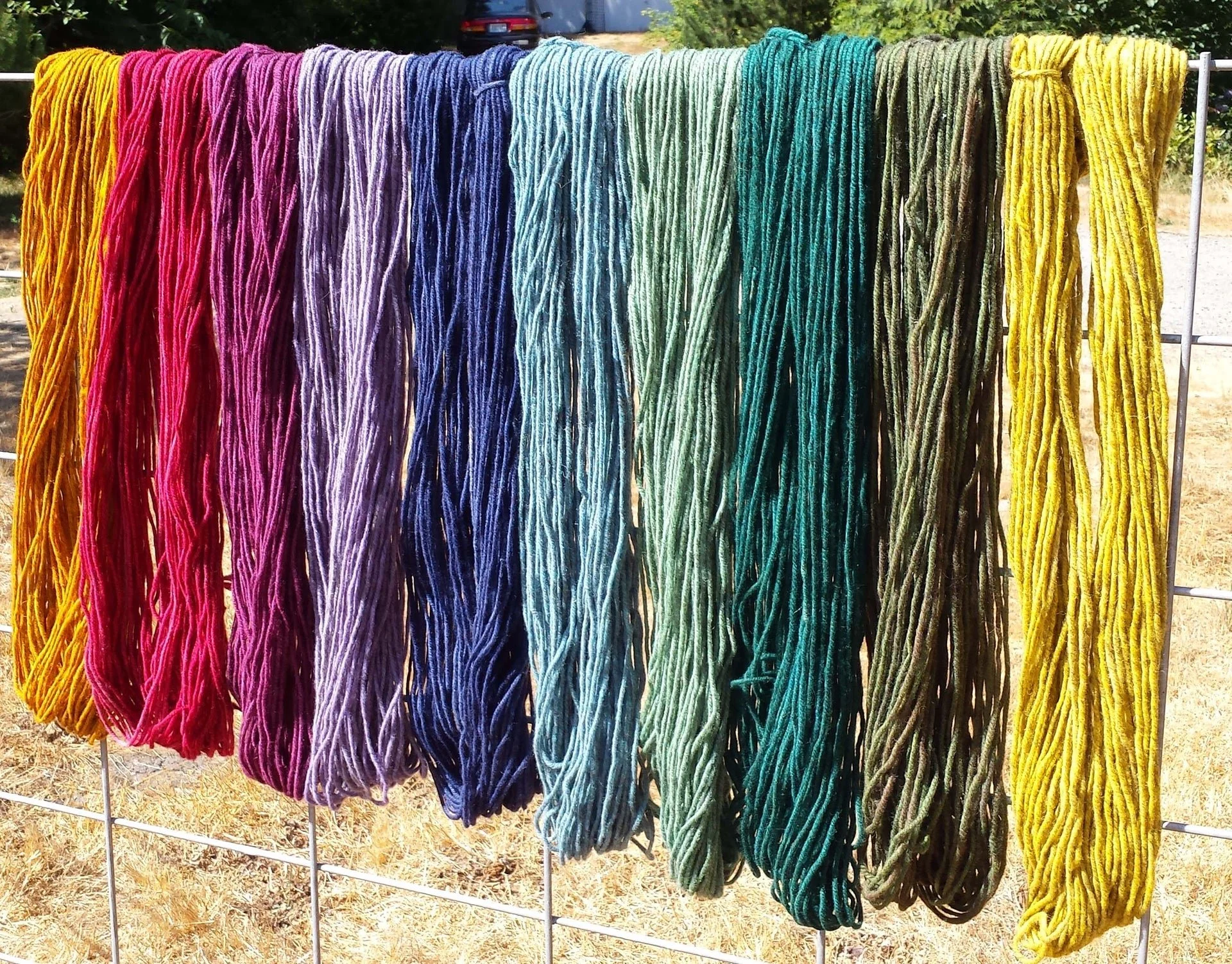
Hand-spun Merino
Merino wool is world-renowned for providing the softest and highest quality fiber of any sheep. The thinness of the Merino fiber is what makes it so soft. Even the thickest Merino wool is less than half the thickness of a single human hair.
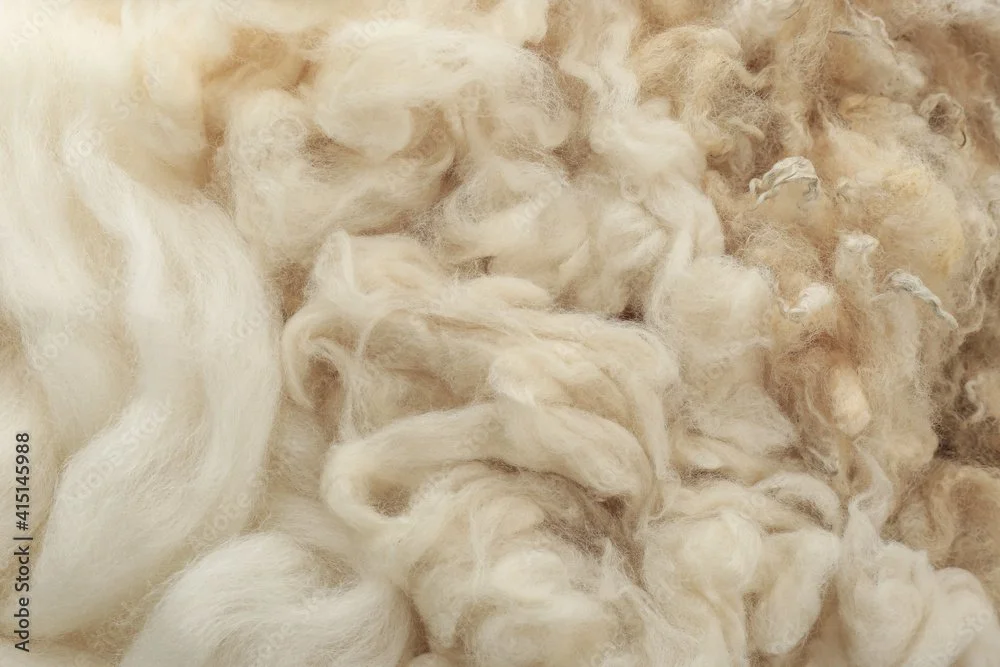
Merino Roving
Merino wool is predominantly made of interlocking protein molecules, the same protein in our skin and hair, individual wool fibers can be bent, flexed, and stretched in any direction 30,000 times or more without damage!
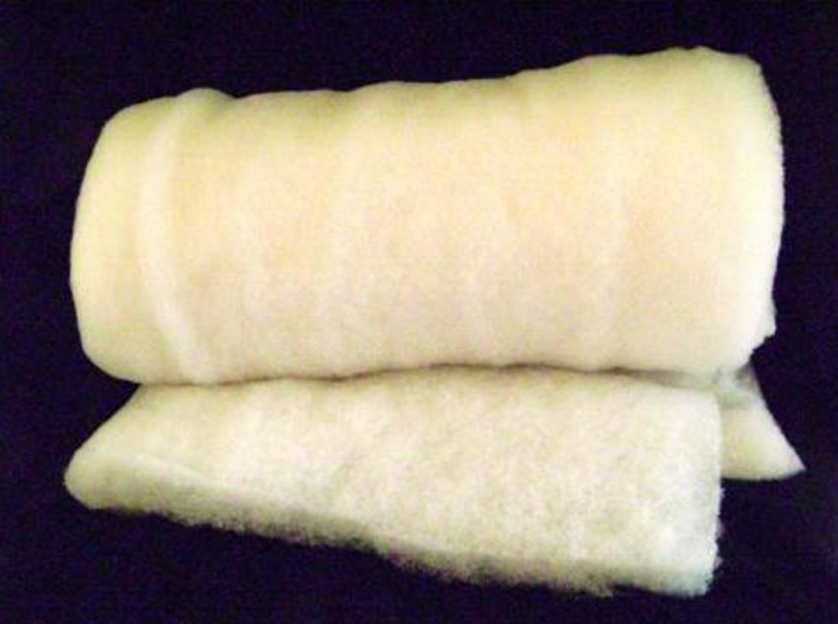
Merino Batting
A Merino wool fiber can absorb and retain up to 30% of its weight in moisture and still feel dry to the touch. It is this absorption and wicking power that makes Merino wool comfortable to wear or use in both warm and cool climates.
Merino, The Best Wool in the World
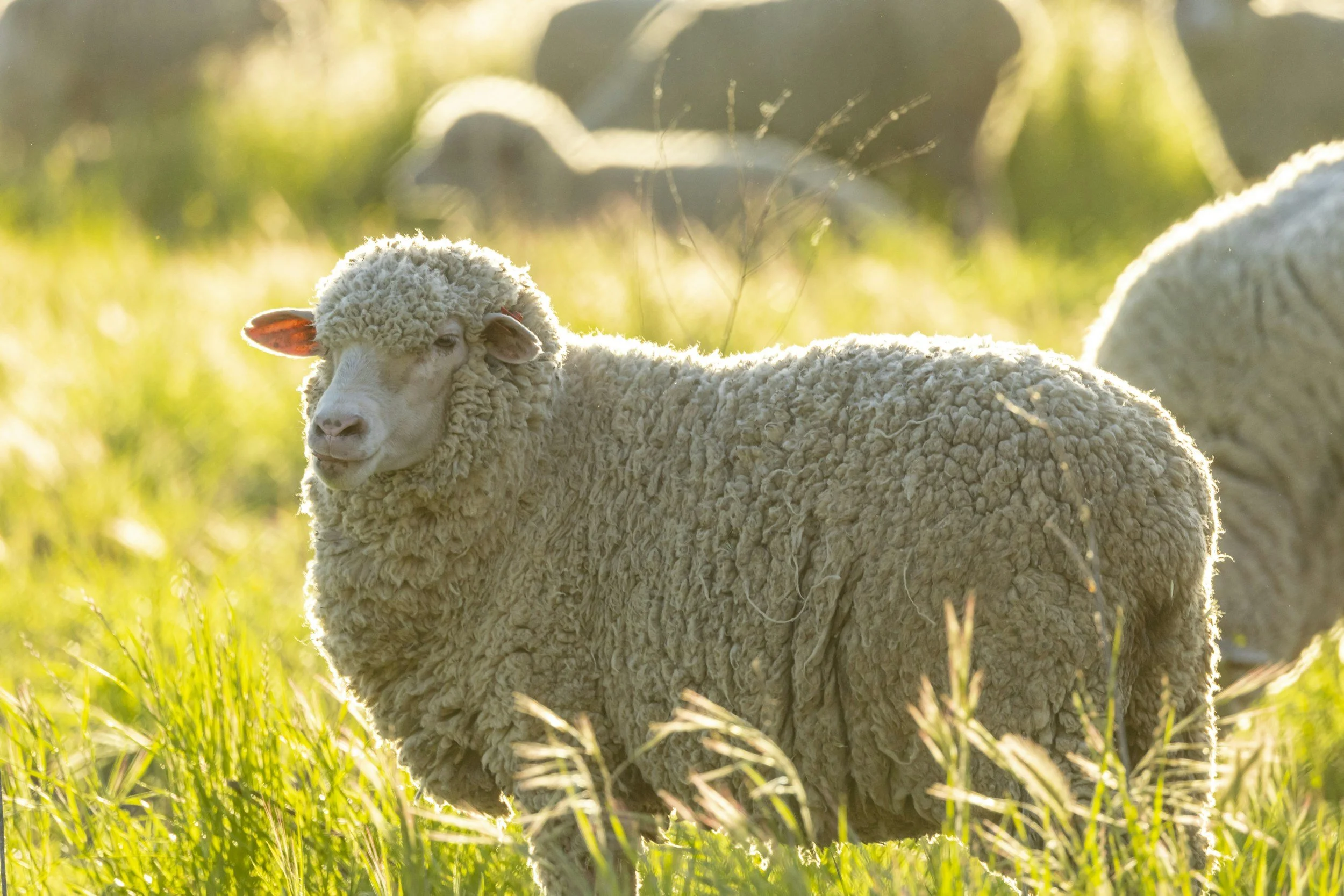
Why We Only Use 100% Merino Wool - Always!
ANYONE THAT KNOWS Merino wool knows that it is unfortunately expensive, but they also know it is always well worth it for the comfort and performance it provides.
Merino wool has been the choice of wool since the lands were ruled by Kings. No matter how the wool is used, it is super lightweight, extremely soft, non-itchy, non-clammy, warm in the cold and cool in the heat, and has a miraculous ability to resist odor via its incredible wicking capability that eliminates the build-up of bacteria. And, because it is grown by sheep, it is naturally renewable, recyclable, and compostable.
Synthetics, on the other hand, which became popular in the 1970s, appeared to have an advantage over wool, even to this day, but unlike wool, they leave you feeling wet and clammy. Unlike wool, synthetics are unable to regulate temperature and moisture. Synthetics also do not move moisture like Merino wool, easily leaving you sweaty and the material smelly from bacteria build-up.
Synthetics are also made out of petroleum-based materials that are highly flammable and horrible for your health and the environment. They leave micro-shards in the water every time they are washed, which cannot be filtered out. These micro-shards are now being found in our food supply.
What about other types of wool, you ask? Even though it is traditional to use and wear wool outdoors in cool climates because wool is warm, other wools, outside of Merino, are heavy, bulky, take forever to dry out, and can cause you to itch like crazy.
Cool in Heat, Warm in the Chill
●
An Extremely Soft, Strong and Flexible Fiber
●
Wool Known For Its Premium Quality
●
A Renewable Material, And Cruelty Free
●
Activates Natural Hunting Instincts
●
Cool in Heat, Warm in the Chill ● An Extremely Soft, Strong and Flexible Fiber ● Wool Known For Its Premium Quality ● A Renewable Material, And Cruelty Free ● Activates Natural Hunting Instincts ●
A Few Other Breeds Of Sheep
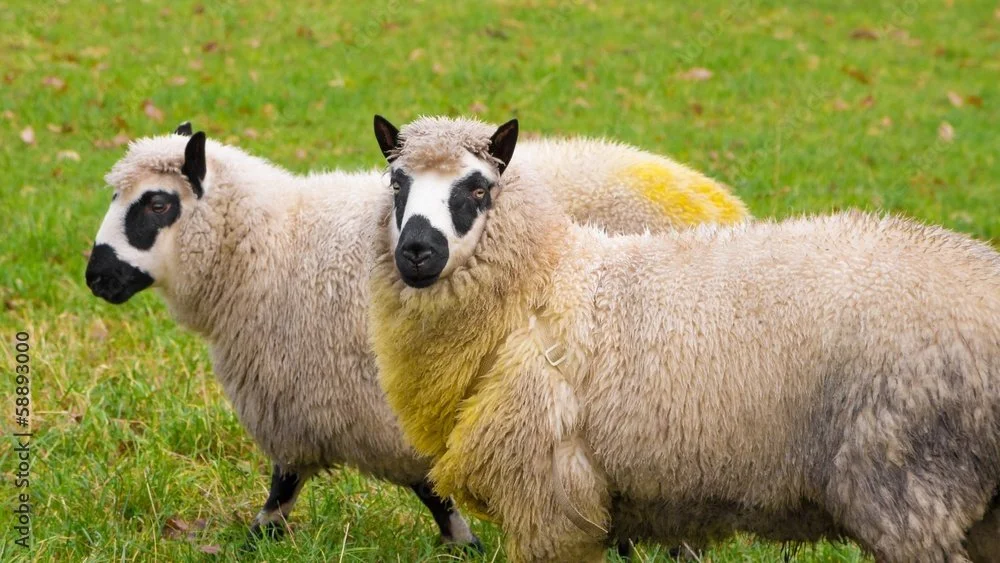
Kerry Sheep
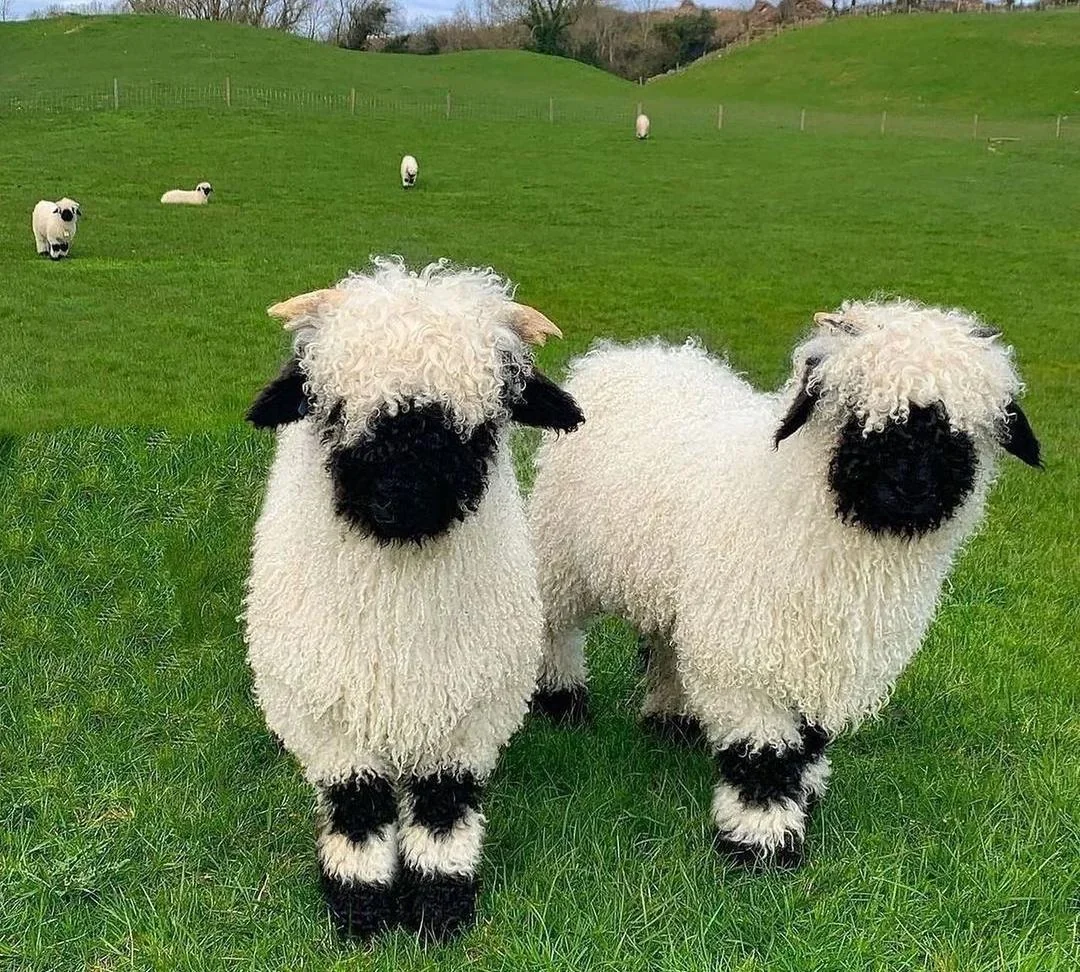
Valais Blacknose Sheep
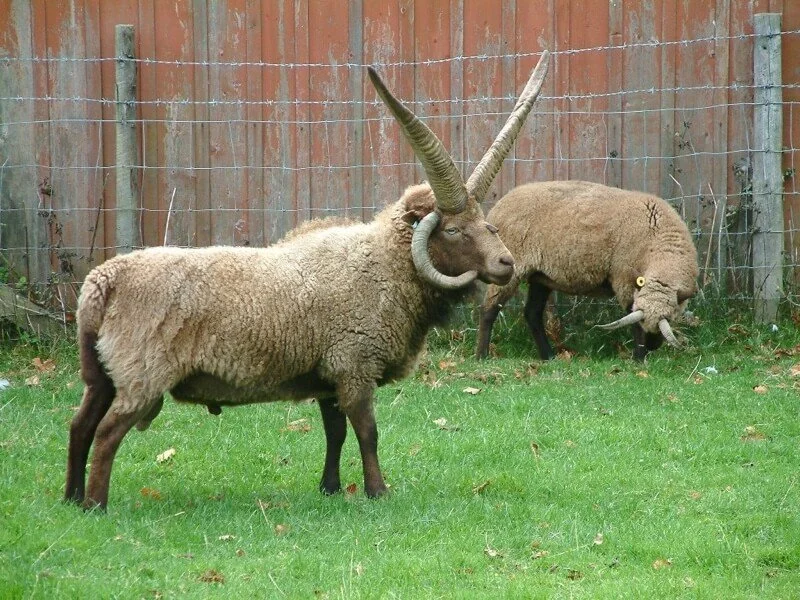
Manx Loaghtan Sheep
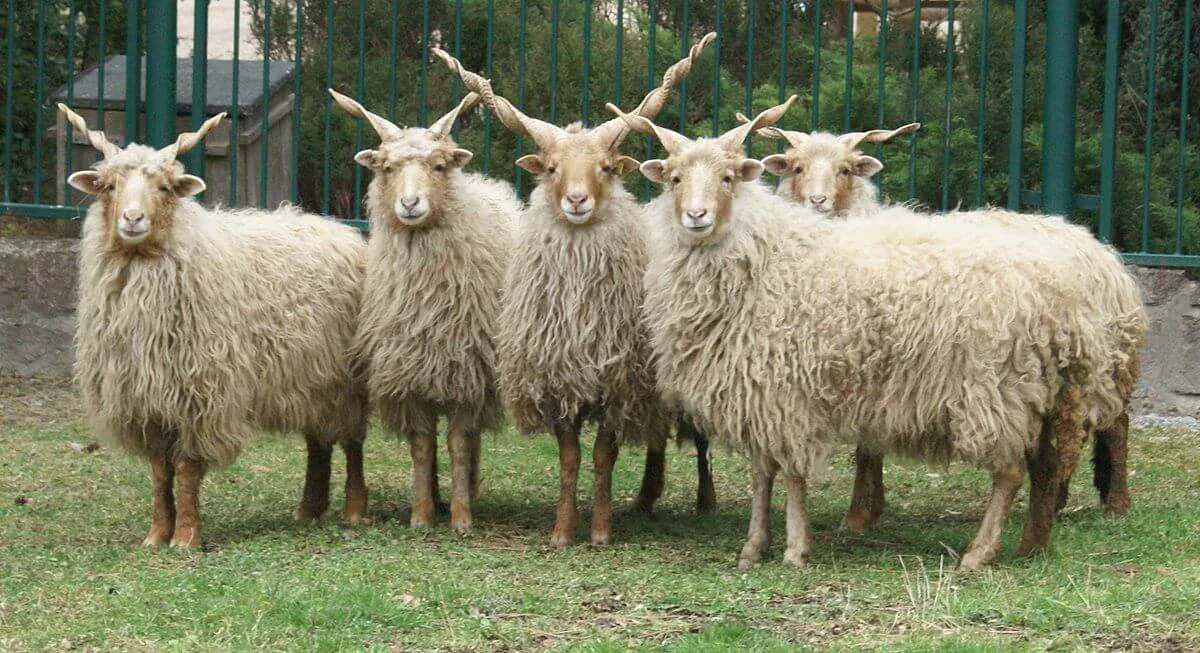
Racka Sheep
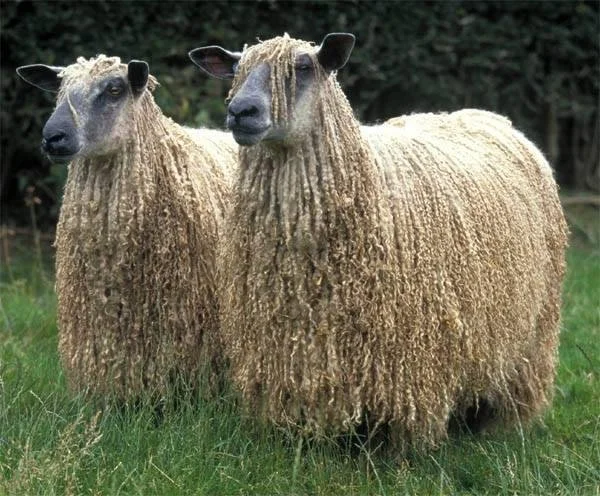
Wensleydale Longwool
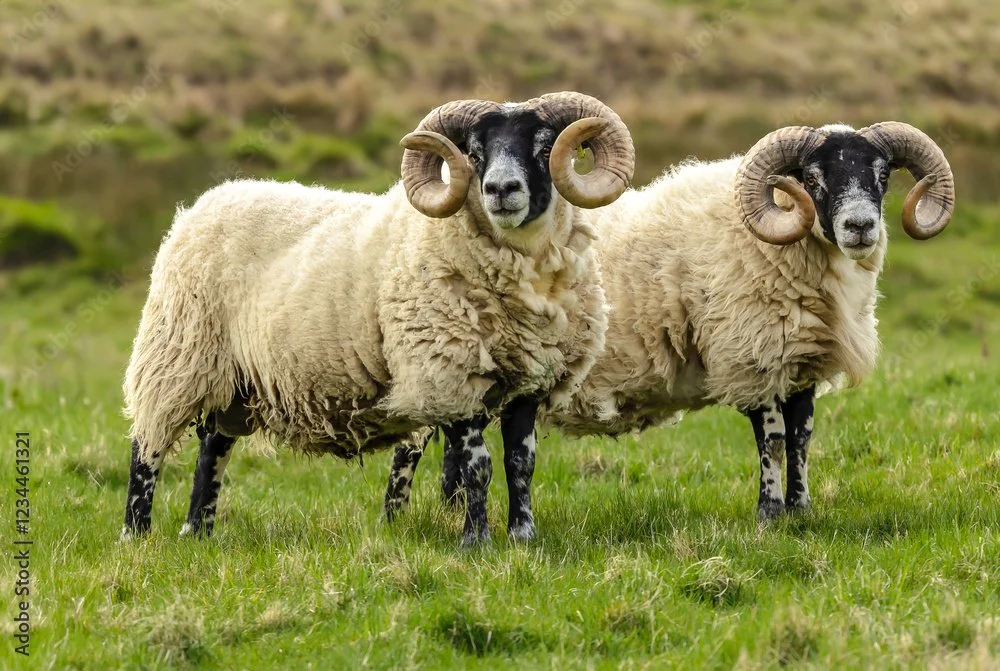
Scottish Blackface Sheep