
About the Bees
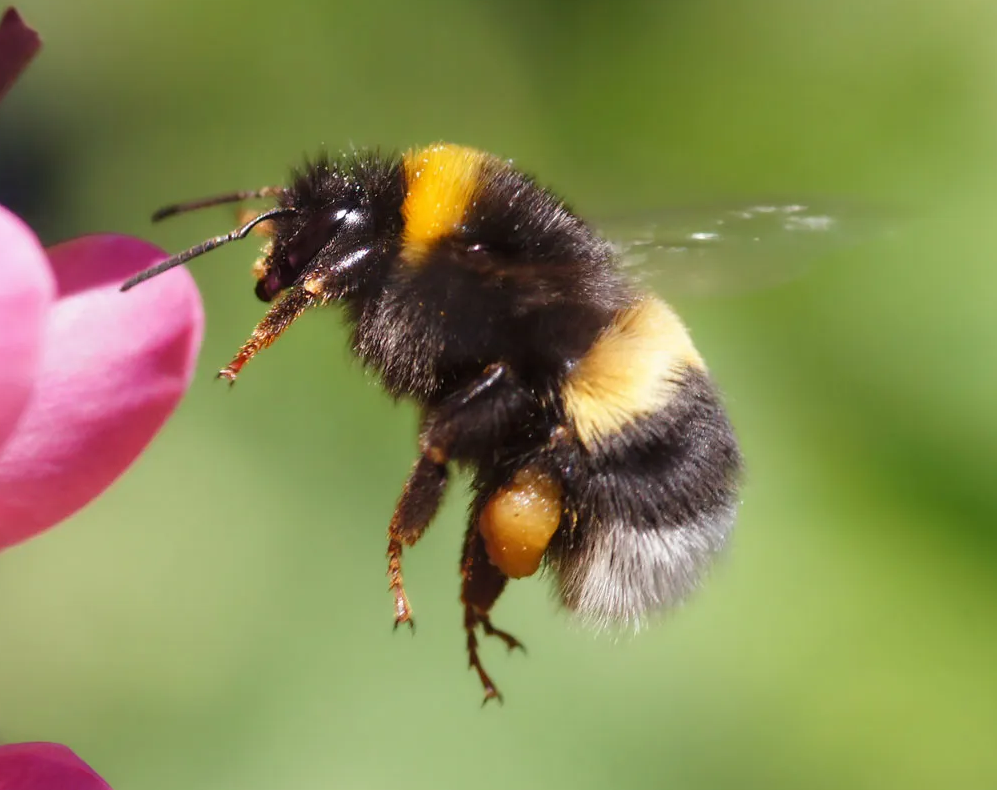
Bumble Bee
Sting: Non-aggressive. Can sting multiple times
Food: Nectar and pollen with little honey
Pollinator: Yes
Body: Fuzzy, yellow and black. Thick legs for carrying pollen
Makes Honey: Extremely small amount
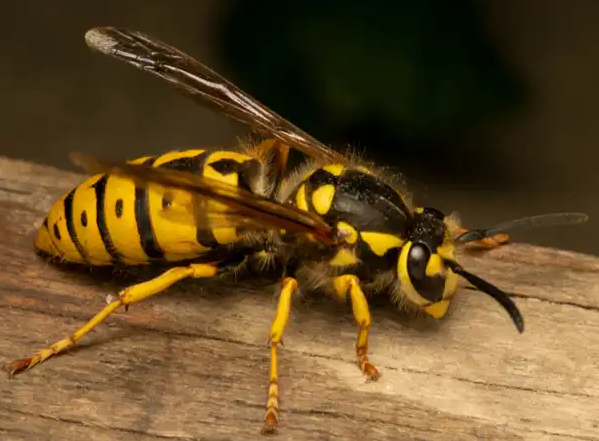
Yellow Jacket
Sting: Passive/Aggressive. Can sting multiple times
Food: Omnivore and carnivore
Pollinator: No
Body: Yellow and black. Sleek body with thin legs
Makes Honey: No
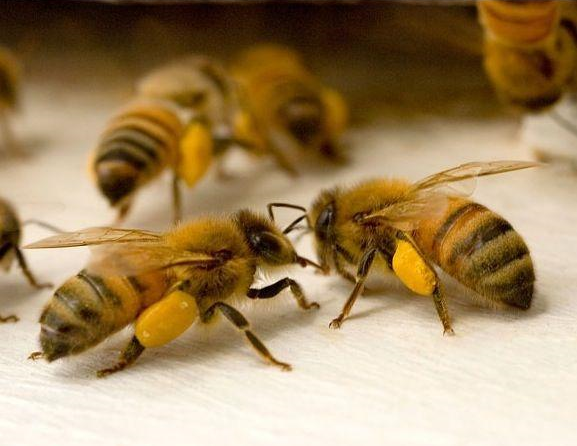
Honey Bee
Sting: Non-aggressive. Can only sting once, then dies
Food: Honey and nectar with a little pollen
Pollinator: Yes
Body: Fuzzy and golden. Thick legs for carrying pollen
Makes Honey: Yes
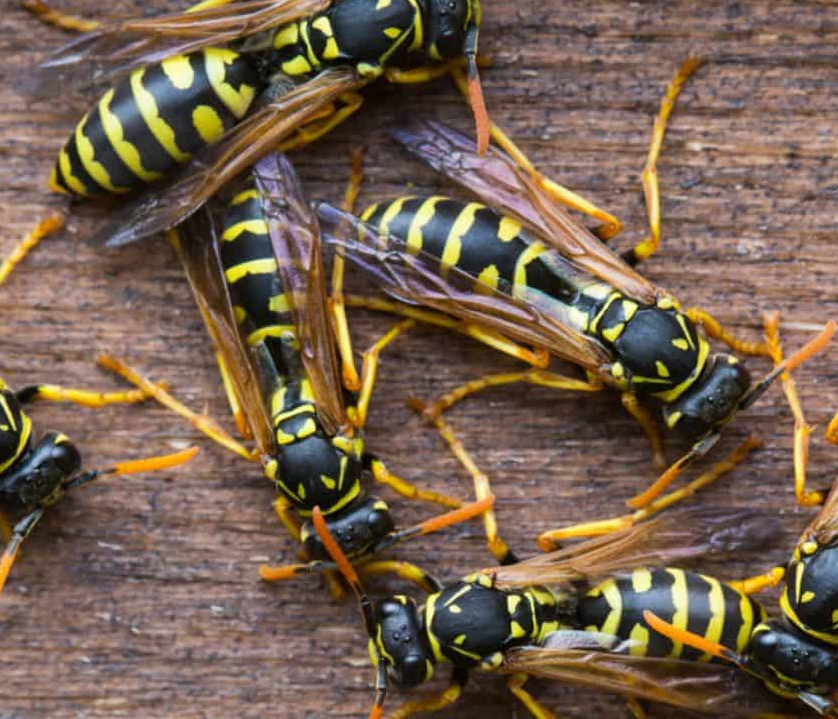
Wasp
Sting: Passive/More aggressive than a Yellow Jacket. Can sting multiple times
Food: Omnivore and carnivore
Pollinator: No
Body: Sleek body with thin legs. Bit larger than a yellow jacket
Makes Honey: No
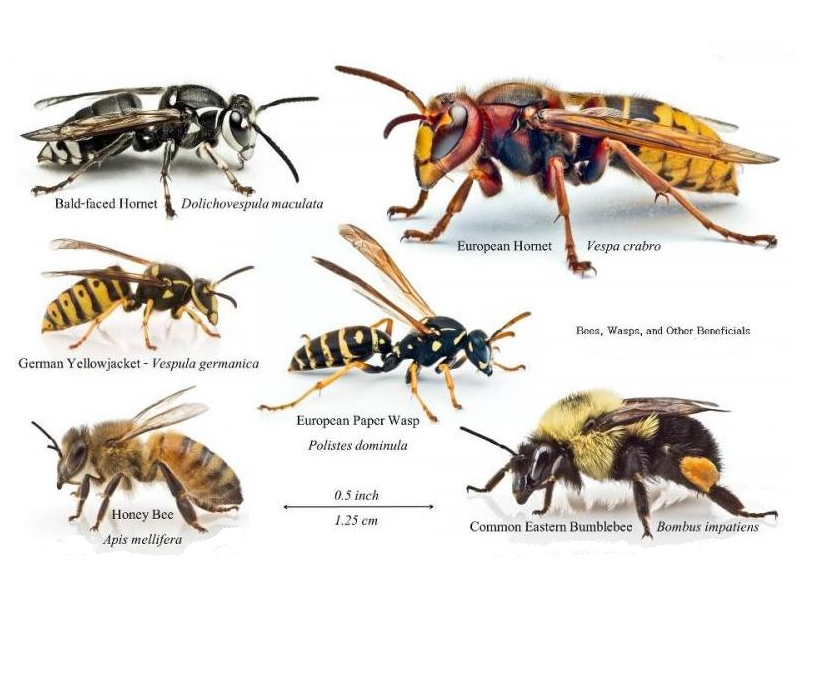
Size Comparisons
Even though bees sting, they serve a purpose. so, please be kind to all bees. If you encounter the aggressive ones move away slowly and don't flail about. The sizes in these drawings are very close to, if not, actual size.
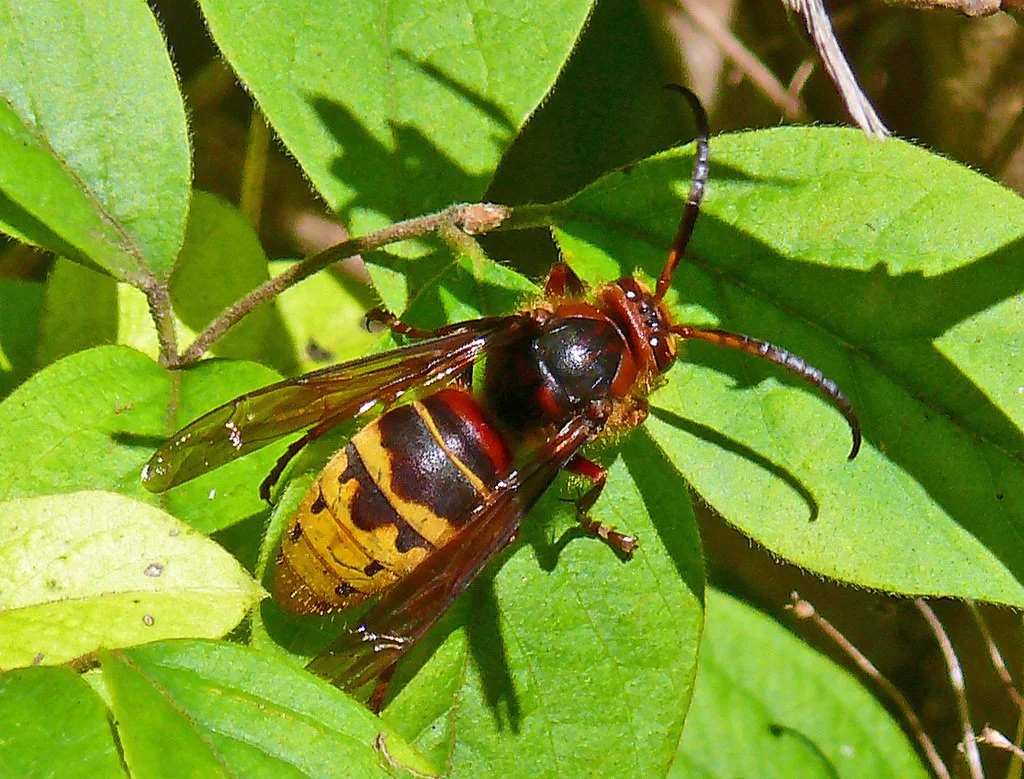
Hornet
Sting: Moreaggressive than Yellow Jackets and Wasps. Can sting multiple times. Has most painful sting
Food: Omnivore and carnivore
Pollinator: No
Body: White and black, yellow and black or yellow, black and red. Sleek body with thin legs. Larger than wasps
Makes Honey: No
Yellow Jackets, Wasps, Hornets Have Their Beneficial Place in the Eco-System
Yellow jackets, wasps, and hornets are important members of a healthy ecosystem. They help pollinate flowers and gardens while also controlling populations of flies, caterpillars, beetles, and other insects that can damage plants and crops. Many species also serve as nature's cleanup crew by scavenging dead insects, carrion, and other organic matter, helping recycle nutrients and support a healthy ecosystem. Although they may appear intimidating, these insects are generally focused on gathering food and caring for their colonies rather than interacting with people. In many situations, nests can simply be observed from a respectful distance and left undisturbed. Most colonies are temporary, lasting only a single season. As temperatures cool in autumn, the workers die off, the nest is abandoned, and it is typically not reused the following year. By allowing these beneficial insects to complete their natural life cycle whenever it is safe to do so, we help support a healthier and more balanced environment.
Troy, The Bee Whisperer
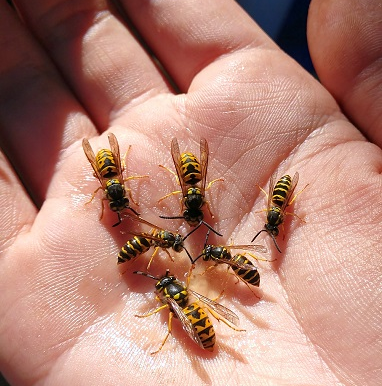
Troy and His Yellow Jackets
As you can see here, Yellow Jackets are not out to sting you... as long as you're still, don't swing your arms, flail about, threaten them, or disturb their nest.
Instinctively connected to winged creatures and embodying the spirit of his great, great, great grandfather, a recognized bee whisperer, Troy handles all types of bees, from Honey Bees to Wasps. He has proven bees can recognize him as a food source after approximately an hour of feeding them; to the point they will still be looking for him in the same feeding location the next day. He can identify each bee by the unique markings on its thorax.
A Honey Bee’s Waggle Dance
The honey bee’s waggle dance is a remarkable form of communication used to share information about food sources. When a forager honey bee finds nectar or pollen, it returns to the hive and performs a figure-eight movement combined with a “waggle” motion of its body. The direction of the waggle indicates the direction of the food source relative to the sun, while the length of the waggle run helps communicate distance. Other bees closely follow and interpret these movements, allowing the colony to efficiently locate and collect resources. This sophisticated behavior helps the hive work together as a coordinated system, supporting the survival and productivity of the entire colony.