
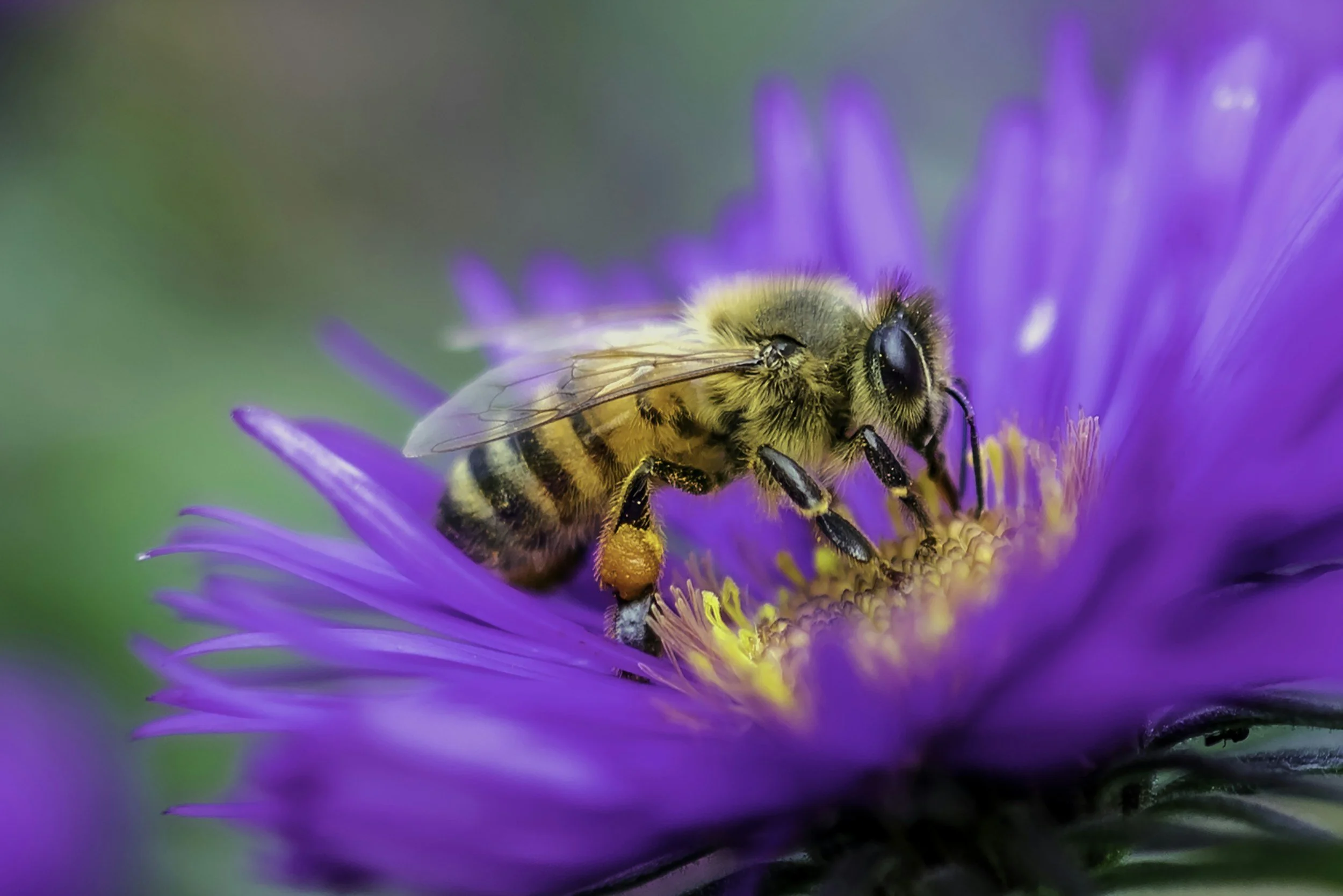
When we think of pollinators, our minds immediately fly to the industrious honey bee. Renowned for their highly organized hives and sweet honey production, honey bees are agricultural powerhouses. Yet, they represent just one branch of a massive, interconnected family tree of stinging insects, spanning from the fuzzy bumble bee to the formidable hornet, all of which play an irreplaceable role in keeping our planet alive and thriving.
Moving beyond the hive, bumble bees and thousands of species of solitary bees act as the quiet champions of wild ecosystems. Bumble bees use a unique "buzz pollination" technique, vibrating at specific frequencies to unlock pollen from crops like tomatoes and blueberries that other insects cannot reach. Meanwhile, solitary bees, which do not live in colonies, work tirelessly in the background, pollinating native wildflowers and ensuring the genetic diversity of our natural landscapes.
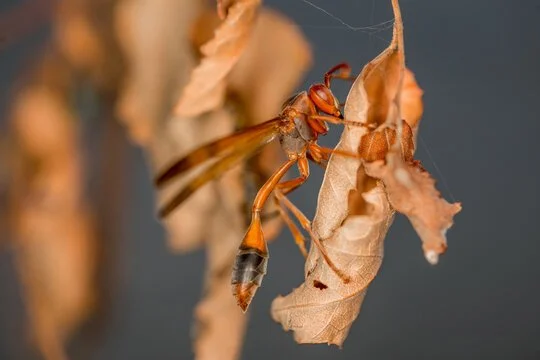
The story does not end with bees; the transition from bee to wasp and hornet reveals Nature's brilliant system of checks and balances. While often feared, wasps and hornets are the ultimate natural pest controllers. As apex predators of the insect world, they hunt garden pests like caterpillars, aphids, and flies, protecting the very plants that bees feed on. Many wasp species also act as backup pollinators. From the gentle honey bee to the predatory hornet, every single one of these insects is a vital cog in Nature’s eco-system.
Save the Bees, Honey to Hornet
What is Harming Our Pollinators?
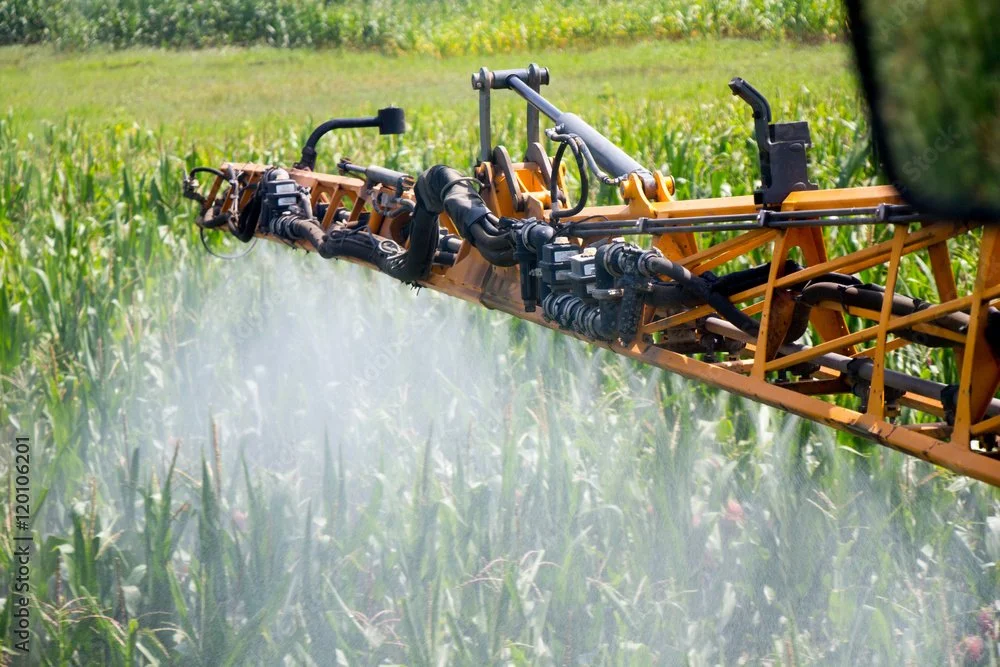
Chlorothalonil
Chlorothalonil is the most common of many fungicides targeted at molds and mildews, not insects. It is now believed fungicides are making the bees more susceptible to the deadly Nosema parasite or exacerbating the toxicity of other pesticides.
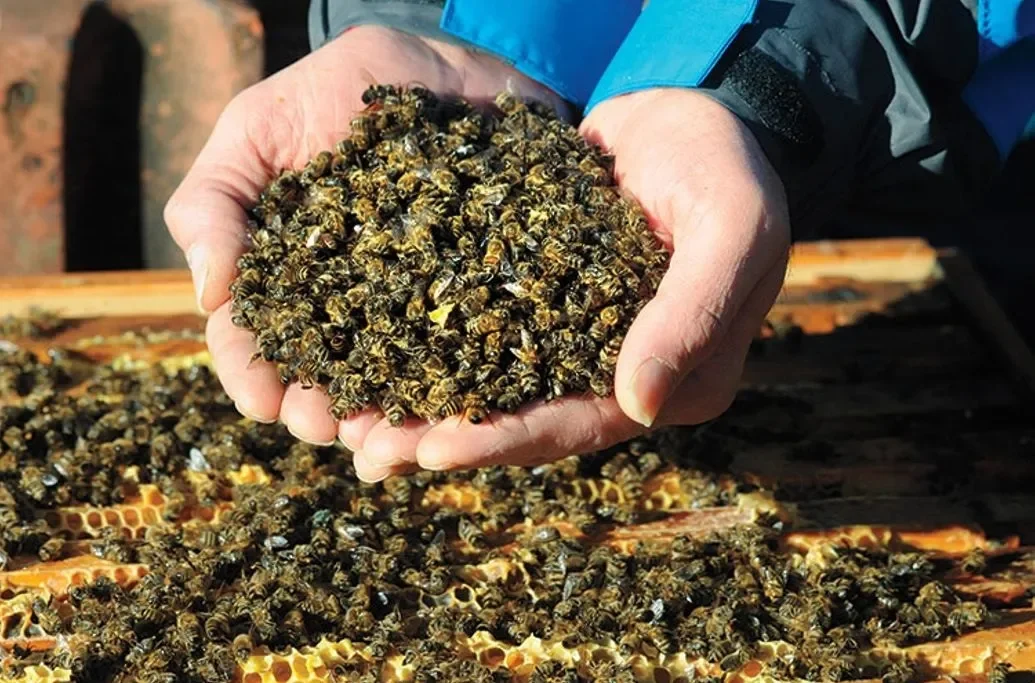
Bee Apocalypse
Bees are dying off at alarming rates all over the world. The main reasons: climate change, exposure to agricultural/yard chemicals, lower tolerance to parasites and stresses along with diminishing nutritional options. All of which lead to suppressed immune systems and death.
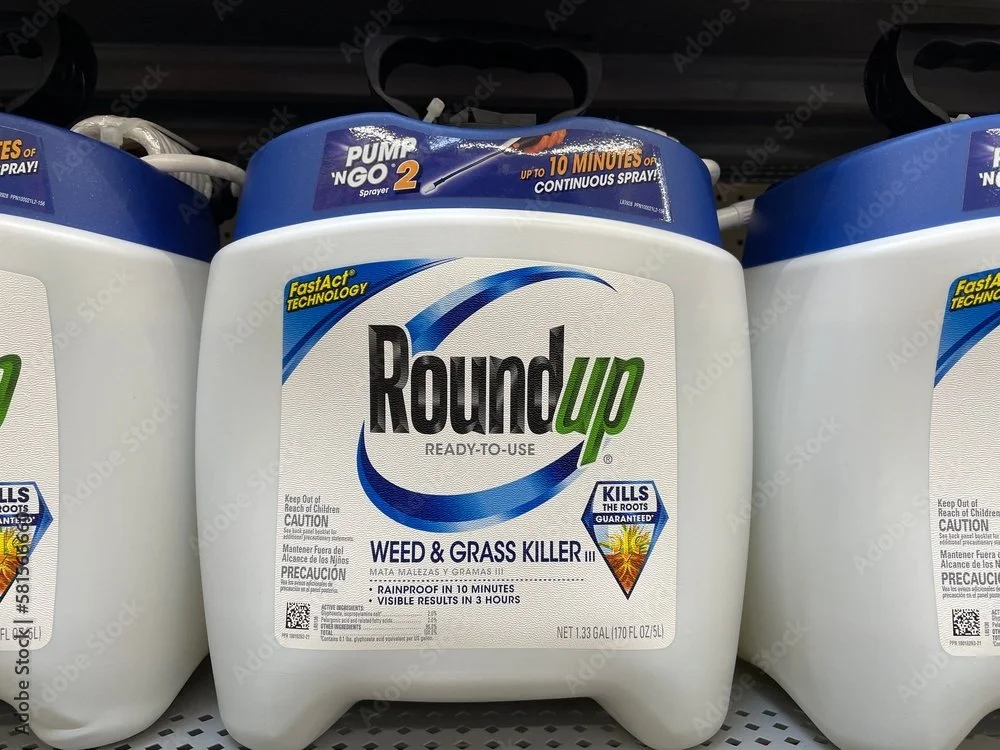
Glyphosate
Glyphosate, the active herbicide ingredient in Roundup is advertised as being innocuous to wildlife. But when pollinators come in contact with it, the chemical reduces gut bacteria, leaving bees vulnerable to pathogens and premature death.
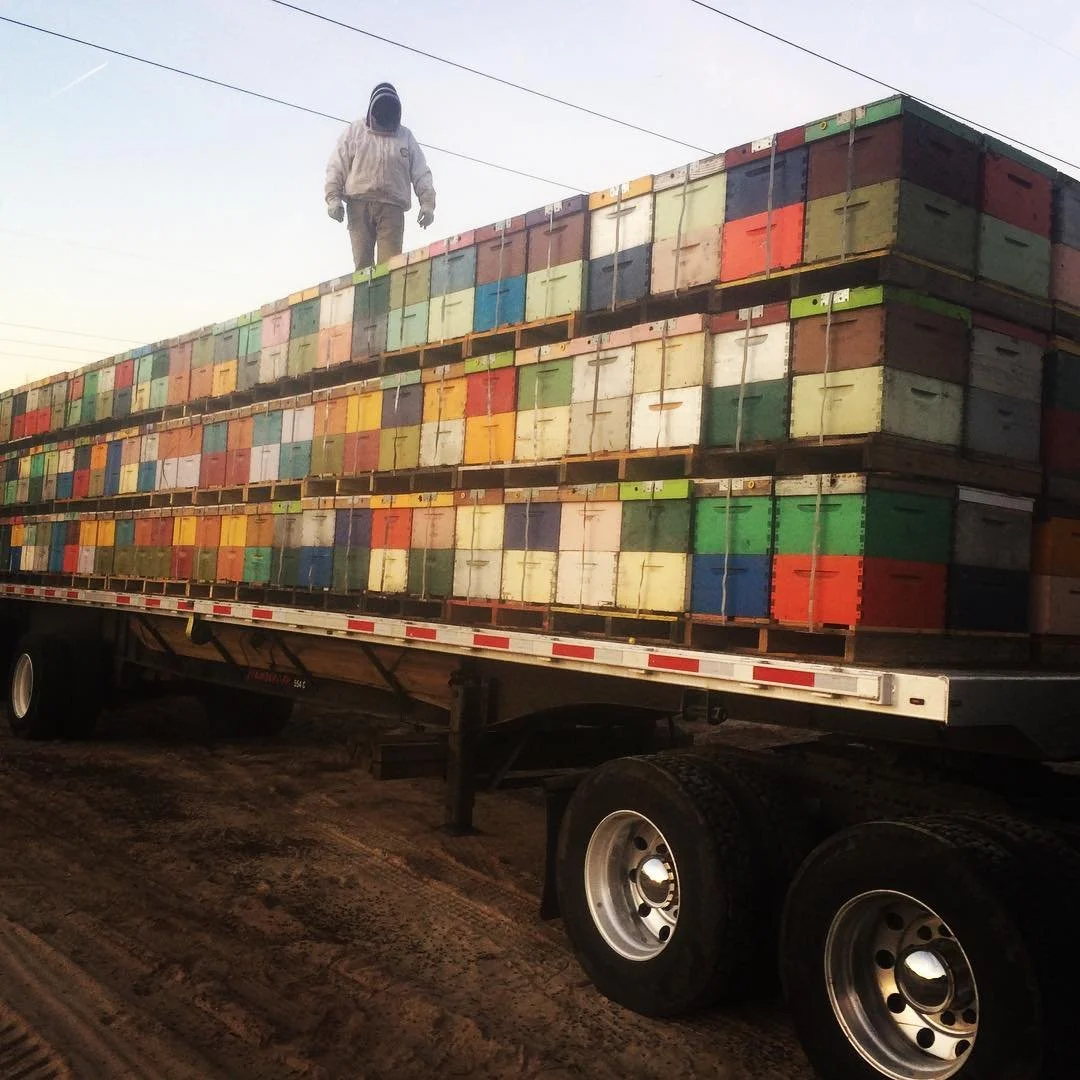
No Natural Cycle
The stress tolerance of bees is not without limits. One stress bees experience is being transported to multiple locations across the country, one season to the next for their pollination use. This wears down their immune systems and causes erratic behavior.
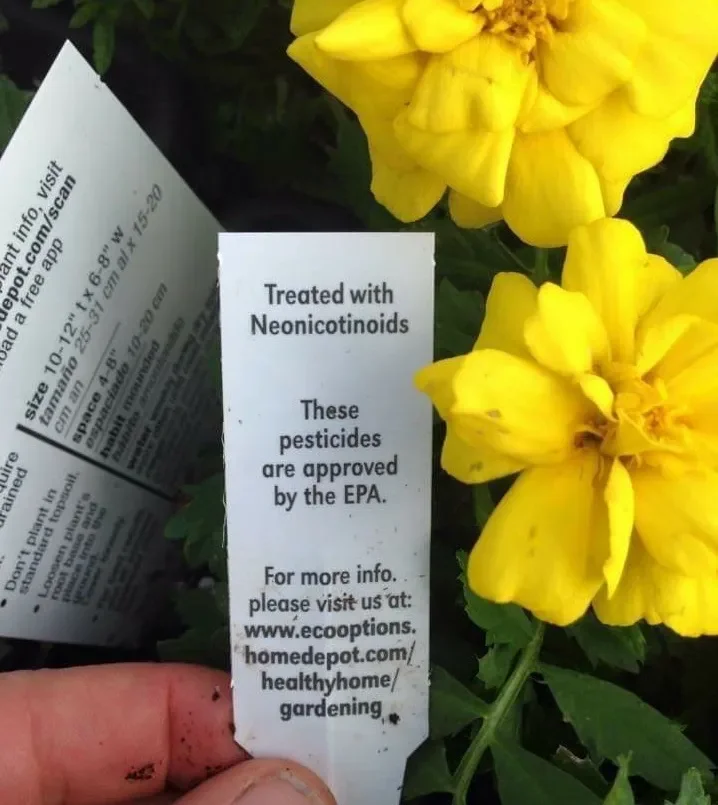
Neonicotinoids
Neonicotinoids, an insecticide kill bees over an extended period and threaten bee queens lowering reproductive rates in the colony. Neonicotinoids also get into waterways and flowers miles away from their use take up the chemical and pass it again to the bees.
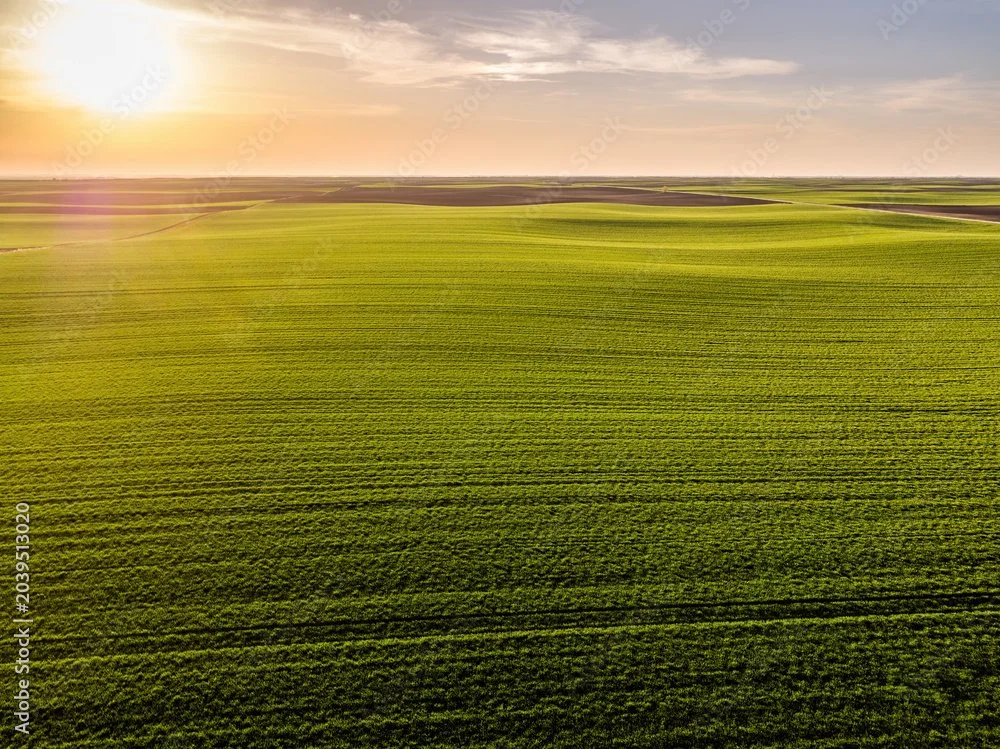
Massive Fields / Poor Nutrition
Habitat loss and intensified agriculture lead to diminishing food resources for bees who need a variety of plants to keep the colony healthy. A recent study likened bees feeding on monoculture crops to humans eating only sardines, chocolate, or parsnips for a month!
Plants for a Bee Friendly Yard
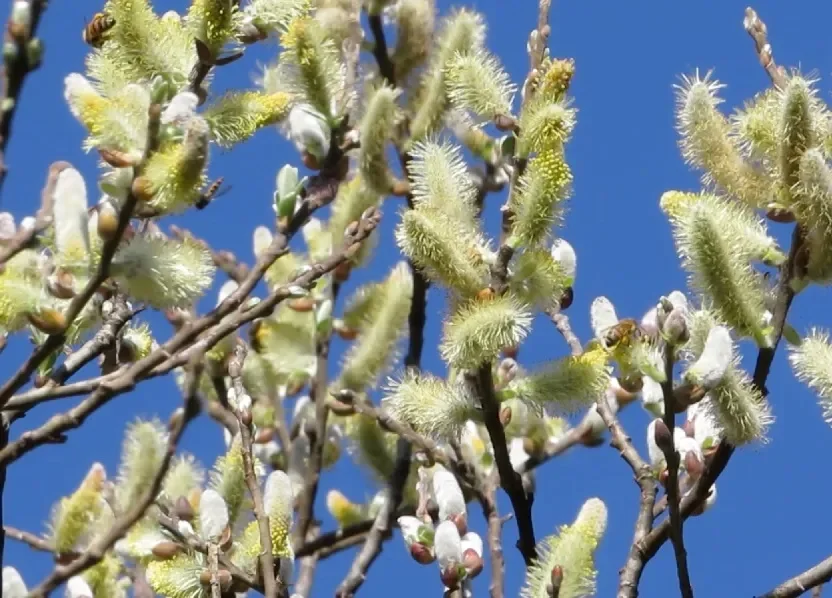
Pussy Willow (Spring)
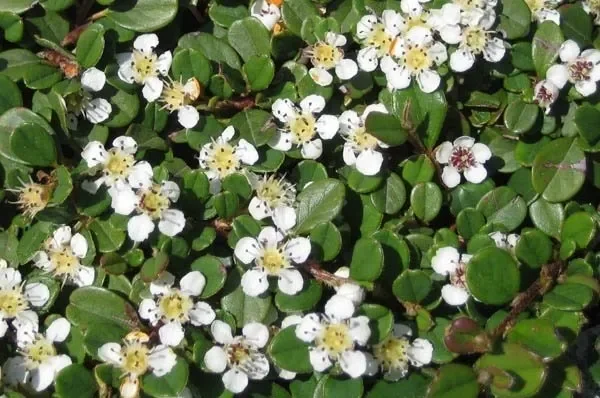
Cotoneaster (Summer)
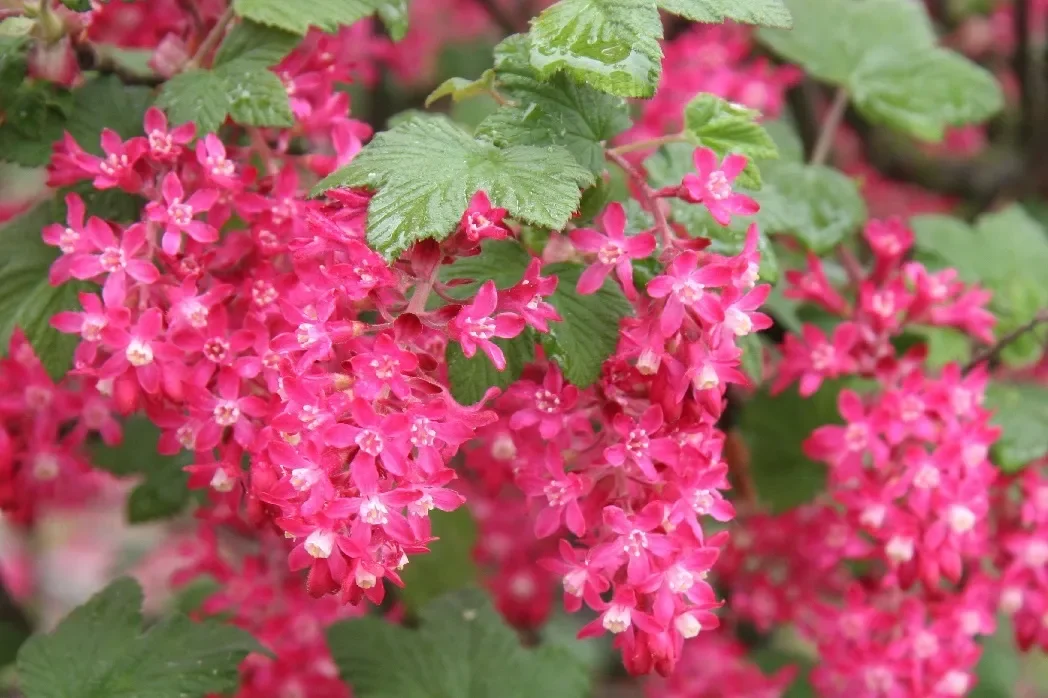
Flowering Currant (Spring)
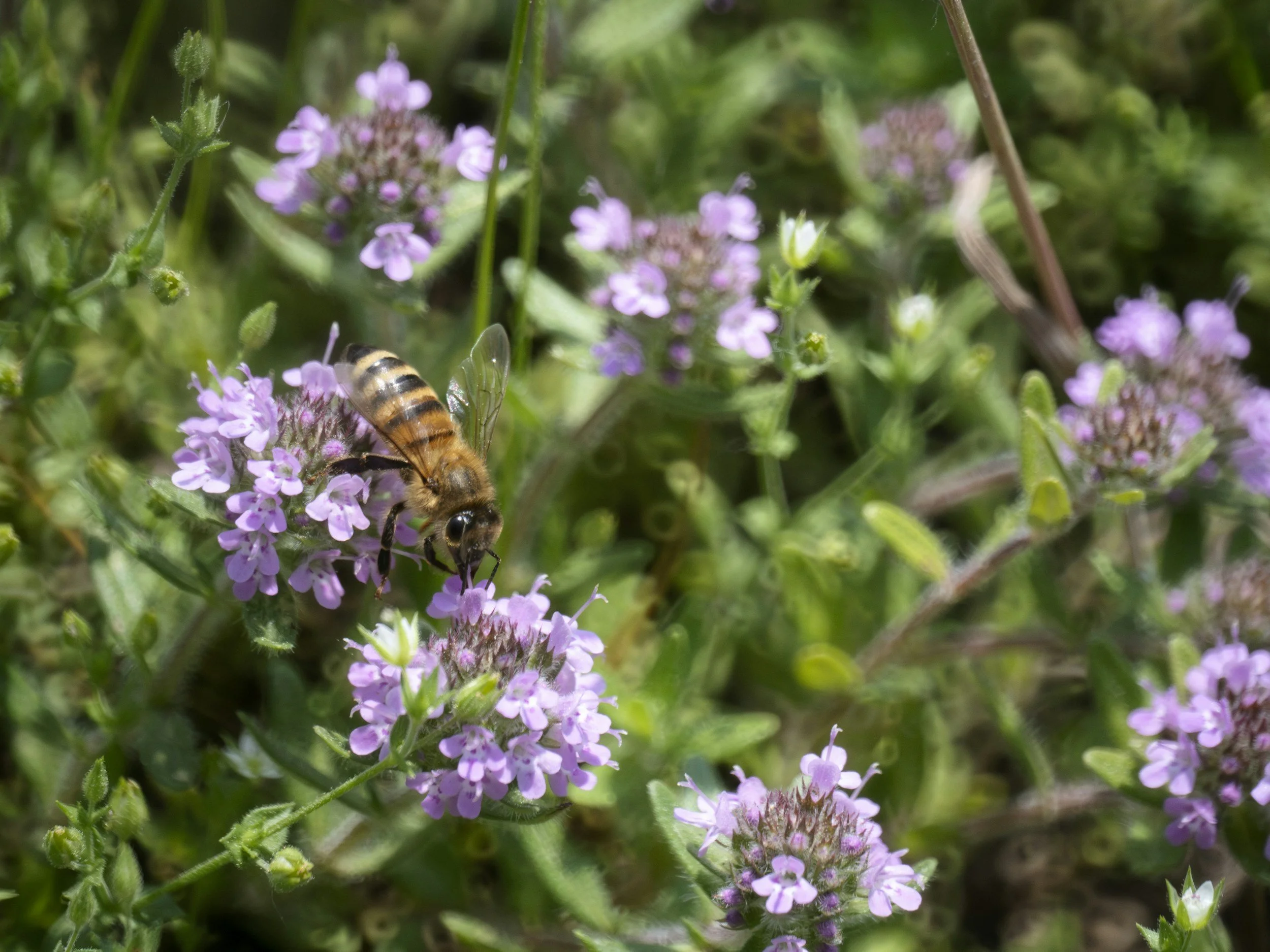
Thyme (Summer)
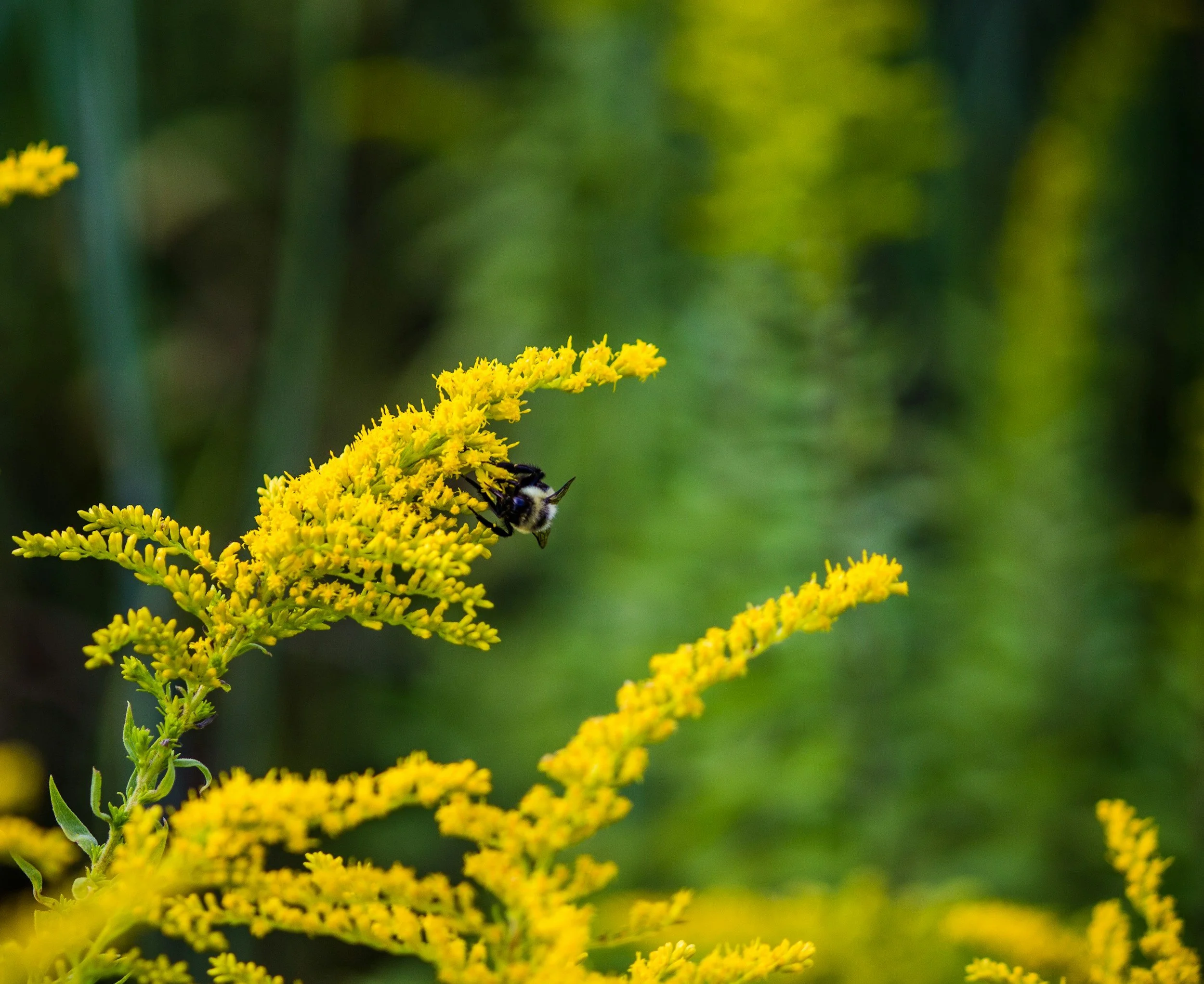
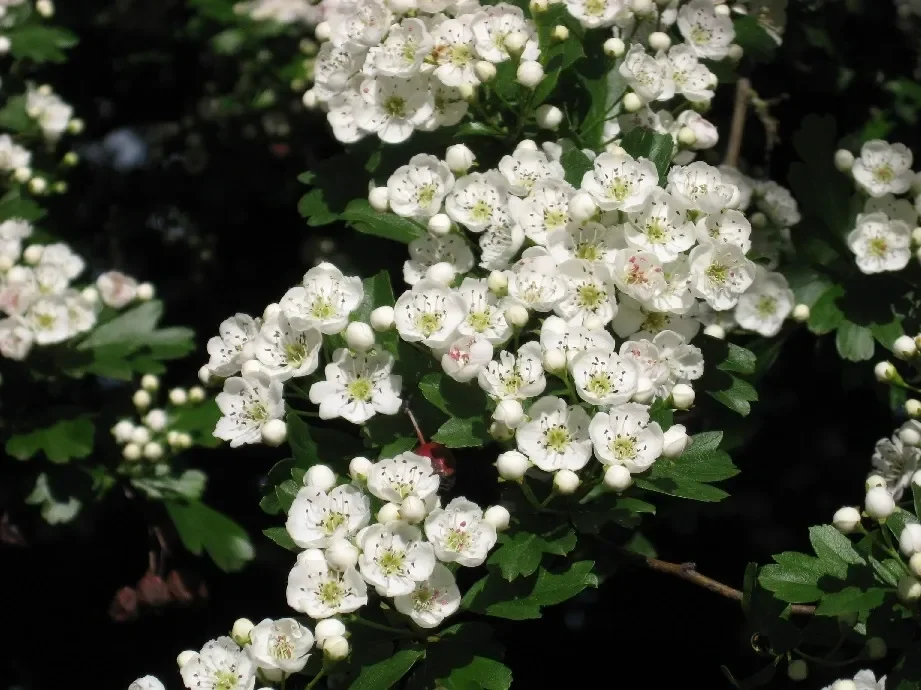
Hawthorn (Spring)
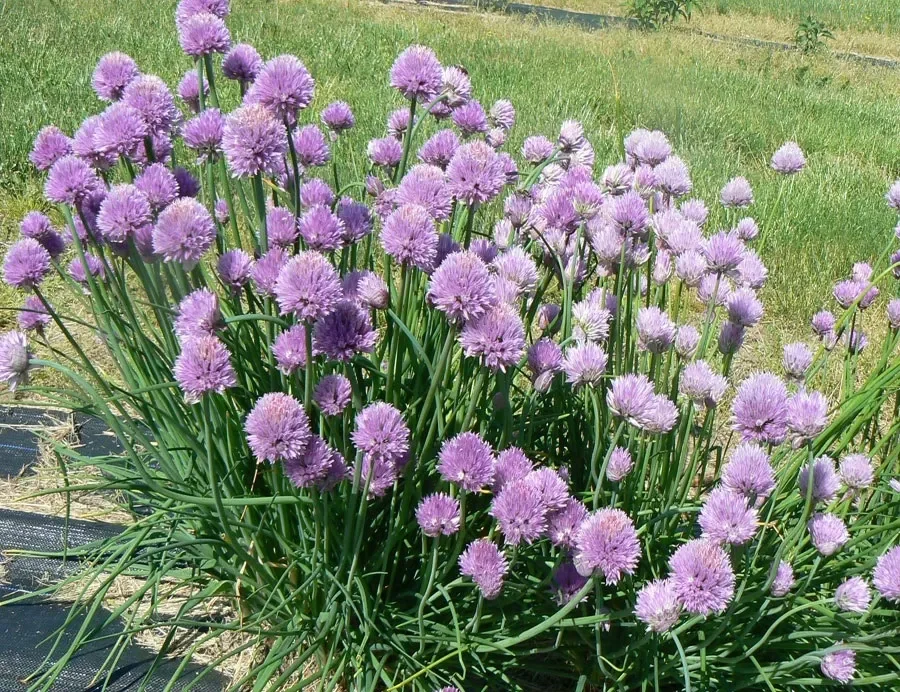
Chives (Summer)
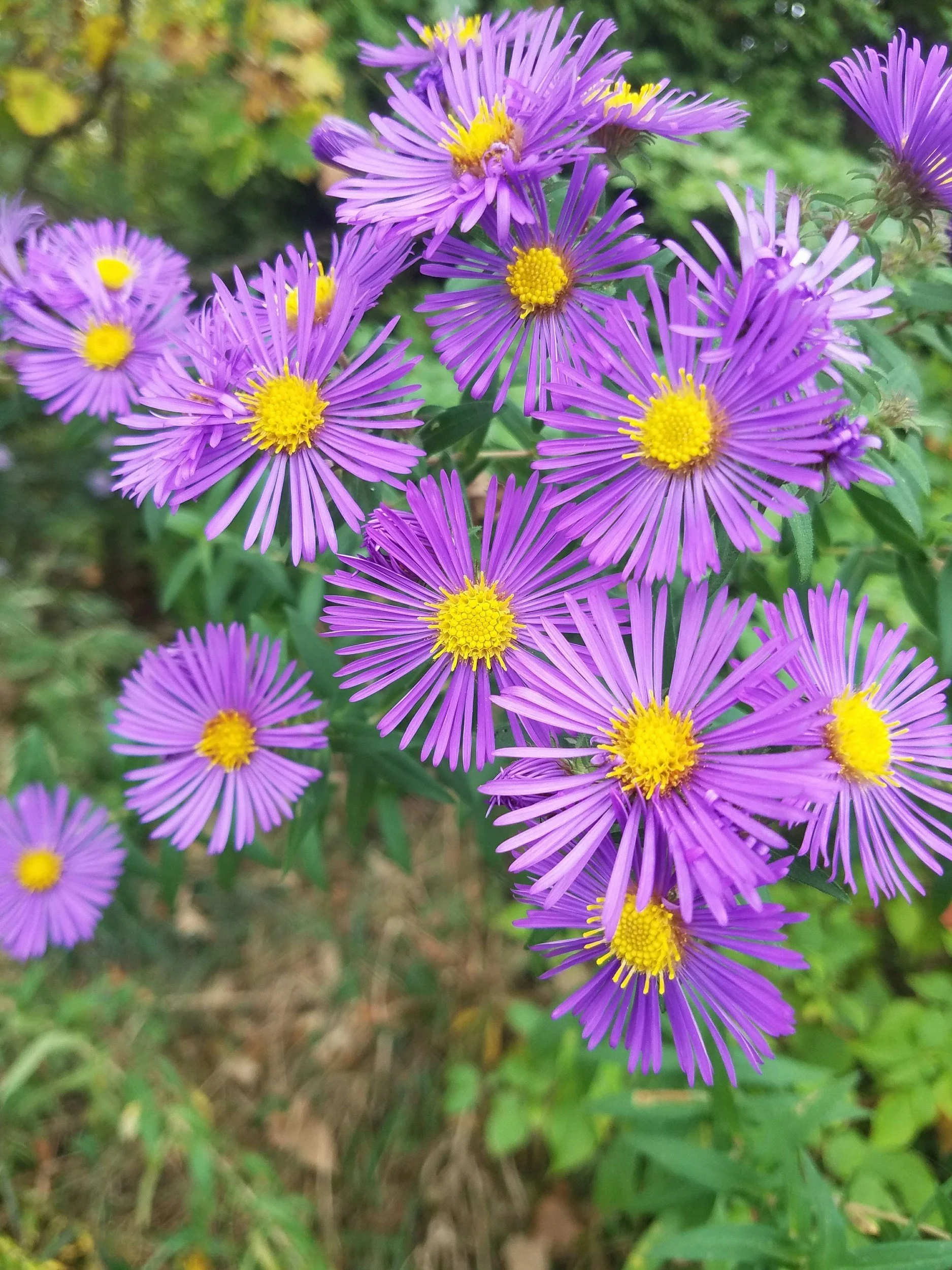
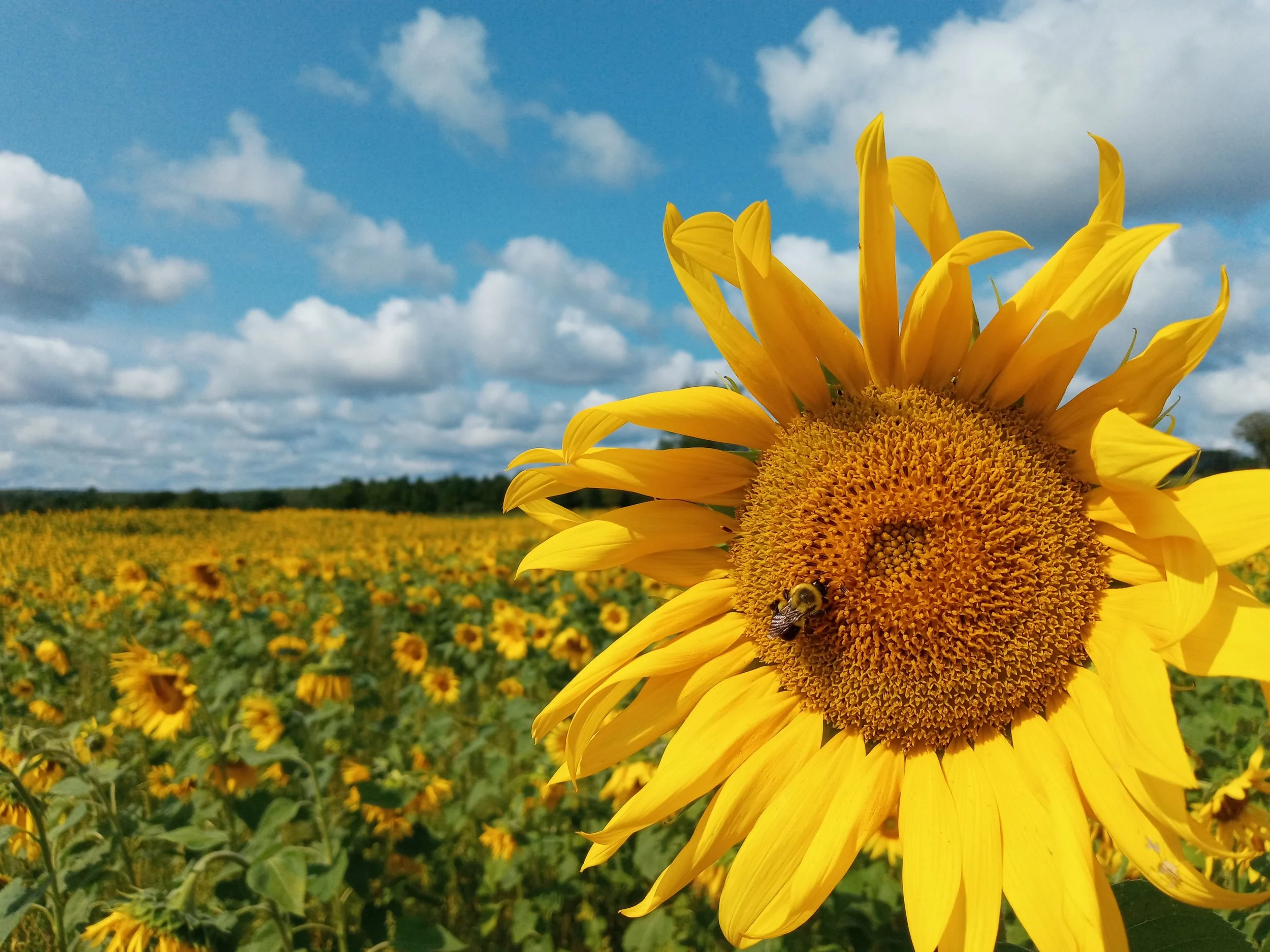
Sunflower (Late Summer)
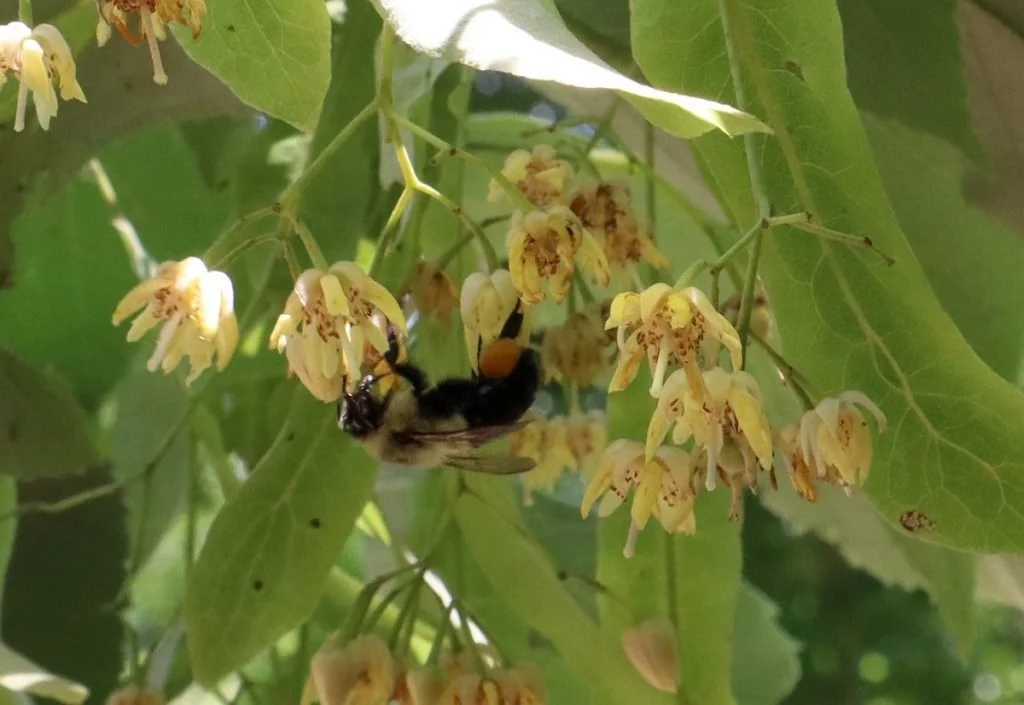
American Basswood (Tree)
Goldenrod (Late Summer)
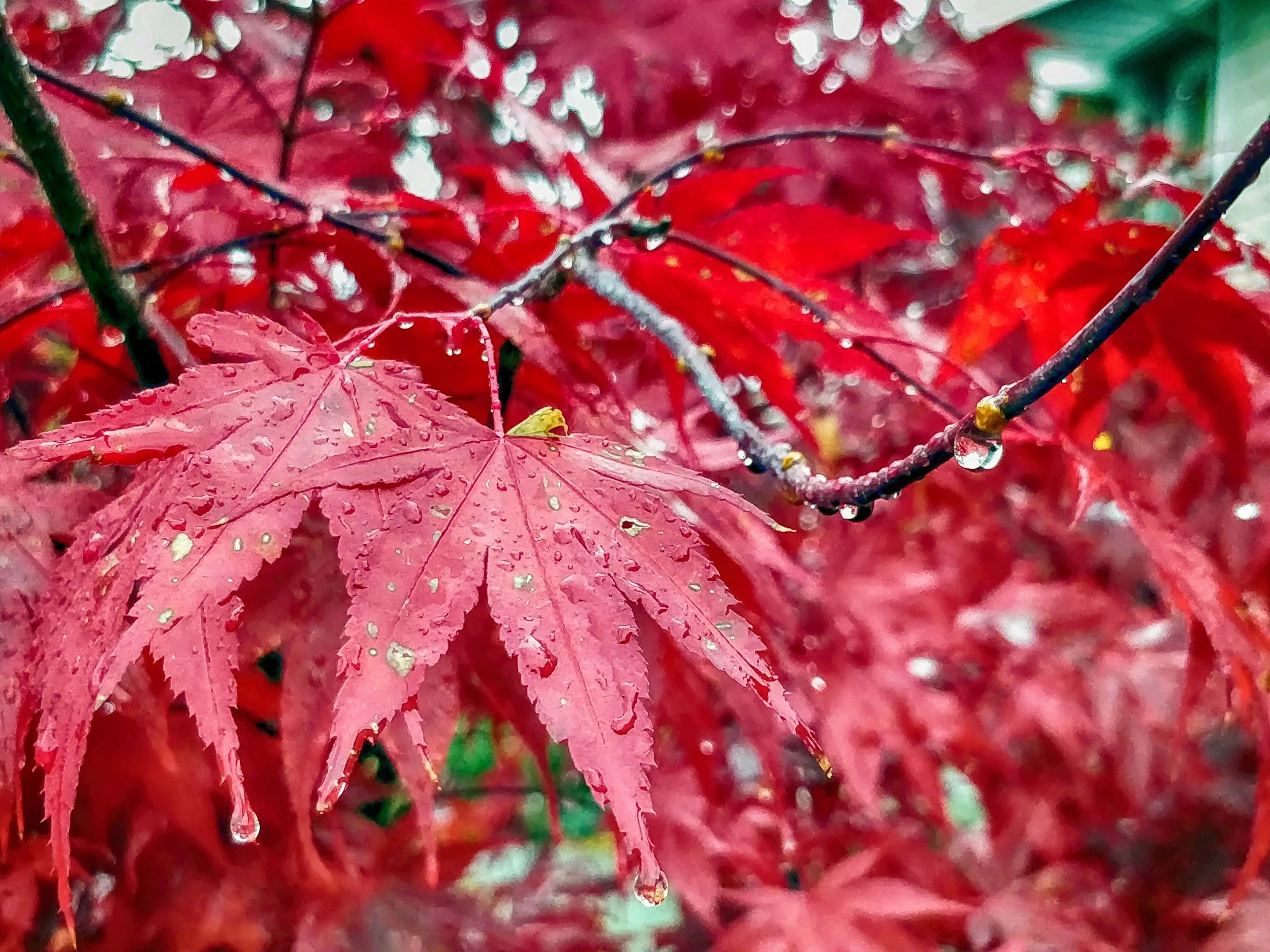
Red Maple (Tree)
Aster (Late Summer)
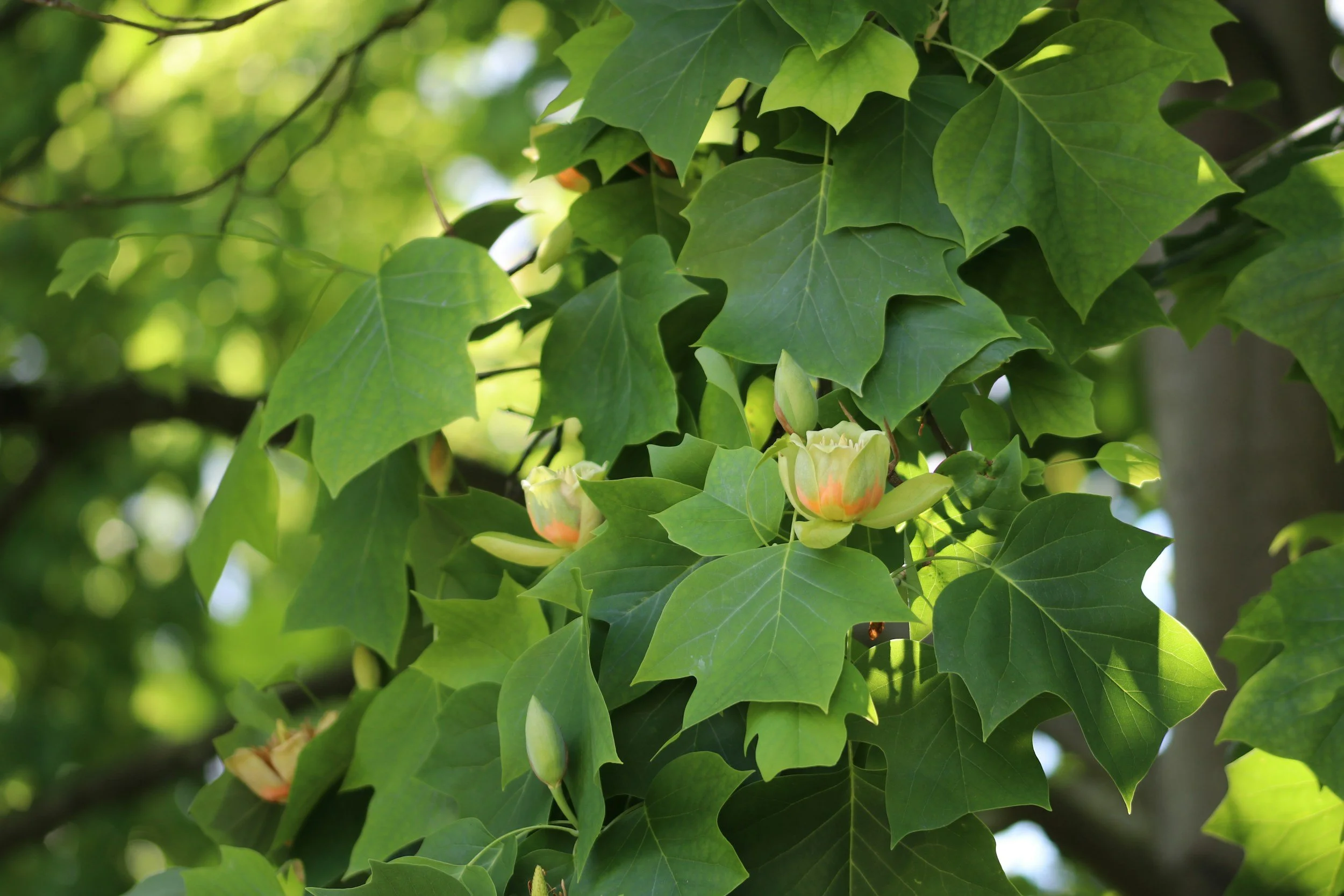
Tulip Poplar (Tree)